
Psychosomatics does not presuppose that the bodily symptom is “imagined”, nor that every illness has a psychological cause. The contemporary scientific approach views health and illness through the interaction of biological, psychological and social factors, and the data show that mental and physical health can mutually influence one another and determine quality of life, functioning and the course of treatment.
Research on persistent bodily symptoms reveals precisely this complexity. Alongside biological factors, sleep, mental state, life events, interpersonal stress, social context and health behaviour may all play a role. Scientific data do not support a simplistic search for a single “psychological cause” of the symptom.
The psychosomatic approach therefore does not set the body against the psyche. It seeks to understand the person as a whole – how they experience the illness, what place the symptom occupies in their life, how they respond to stress, how their relationships function, and how all these processes interact with their medical condition. It is precisely for this reason that contemporary psychosomatic medicine places emphasis on the integrated assessment of the biological, psychological and social dimensions of suffering.
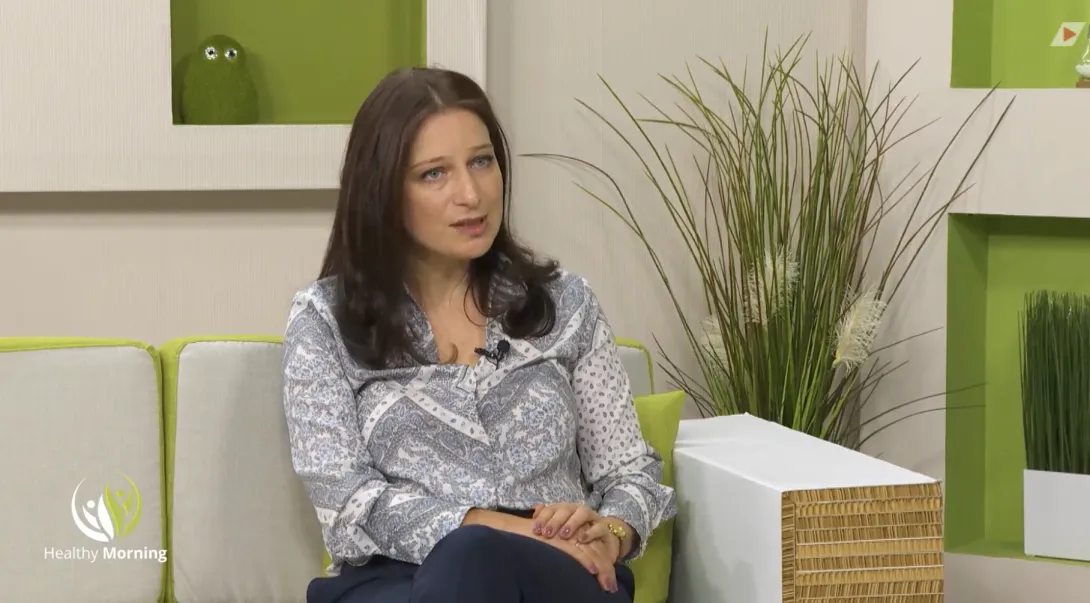
In the interview, Dr Margarita Tareyn, clinical psychologist, psychotherapist and specialist in analytical psychosomatics, speaks about how to understand the connection between the physical and the psychological, without devaluing the reality of the illness and without reducing the person to their symptom.
The conversation raises important questions about the place of emotional experience in medical care, about the way in which the body takes part in psychic life, and about the role of psychotherapy as part of the comprehensive care for various somatic illnesses.
Psychosomatics does not ask whether the symptom is “in the body” or “in the psyche”. It asks how the whole person who experiences it functions.