
Psychotherapy is a professional and structured process aimed at understanding and changing psychological, emotional and behavioural difficulties, as well as at improving mental well-being, relationships and a person's ability to cope with life's challenges. At its core lies the professional relationship between the therapist and the person seeking help. This relationship creates a protected space in which experiences, thoughts, feelings, behaviours and relationships can be explored and made sense of in a way that gradually allows for lasting psychological change.
Psychotherapy is not merely conversation, giving advice or providing ready-made solutions. It is a purposeful professional intervention that uses various psychological theories, methods and techniques depending on the therapeutic approach, the needs of the particular person and the problems with which they seek help.
When can psychotherapy be helpful?
The reasons a person may seek psychotherapy can vary. There does not need to be a mental disorder or a severe life crisis present. Psychotherapeutic help may be needed in cases of anxiety, depressive experiences, prolonged stress, difficulties in relationships, loss and grief, traumatic experiences, problems with self-esteem, emotional burnout, recurring patterns of behaviour, or a sense of loss of meaning and direction. Psychotherapy can also support people going through significant life changes – separation, parenthood, a change in professional life, the loss of a loved one, or the diagnosis of a serious illness. It can also be a space for people without pronounced psychopathology who wish to better understand themselves, their own relationships and choices, and to develop greater psychological awareness.
How does psychotherapy work?
The psychotherapeutic process begins with clarifying the reasons for seeking help, the current difficulties, the life context and the person's expectations. The therapist and the patient or client gradually formulate the goals of the work and the appropriate therapeutic framework. Depending on the method and individual needs, psychotherapy may be short-term or long-term, individual, group, family or couple-based. Different psychotherapeutic orientations understand the mechanisms of psychological change in different ways. Some work predominantly with thoughts and behaviour, others place emphasis on unconscious processes, early relationships and internal conflicts, while others focus on emotions, interpersonal relationships or present-moment experience. Regardless of the particular school, contemporary psychotherapy requires professional training, a clear therapeutic framework, ethical standards, confidentiality and respect for the person's autonomy and dignity.
Psychotherapy and medicine
In contemporary healthcare, psychotherapy holds an important place as part of the comprehensive care of people with various somatic illnesses. Receiving a diagnosis, prolonged treatment, pain, limitations in everyday life, changes in physical appearance or functioning, and uncertainty about the future can have a significant psychological impact on the patient and their family. In these situations, psychotherapy does not treat the somatic illness itself and does not replace medical treatment. It supports the person in psychological adaptation to the illness, in coping with fear, anxiety, loss, changes in identity and relationships, and with other emotional consequences of the illness and its treatment. This is precisely why psychotherapeutic work holds an important place in psycho-oncology, psychosomatic medicine and integrated models of healthcare.
Psychotherapy and psychosomatics
From a psychosomatic perspective, the person is not viewed as mechanically divided between “body” and “psyche”. Biological, psychological and social processes interact continuously and are involved in the way a person experiences health, illness and treatment. This does not mean, however, that physical illnesses are “merely psychological” or that a person has caused their own illness through their thoughts and emotions. Psychotherapy can help in understanding the way in which bodily experiences, stress, emotional conflicts, relationships and life history are intertwined in a person's individual experience. The aim is not to seek psychological “blame” for the illness, but to understand the person as a whole.
Psychotherapy is a process
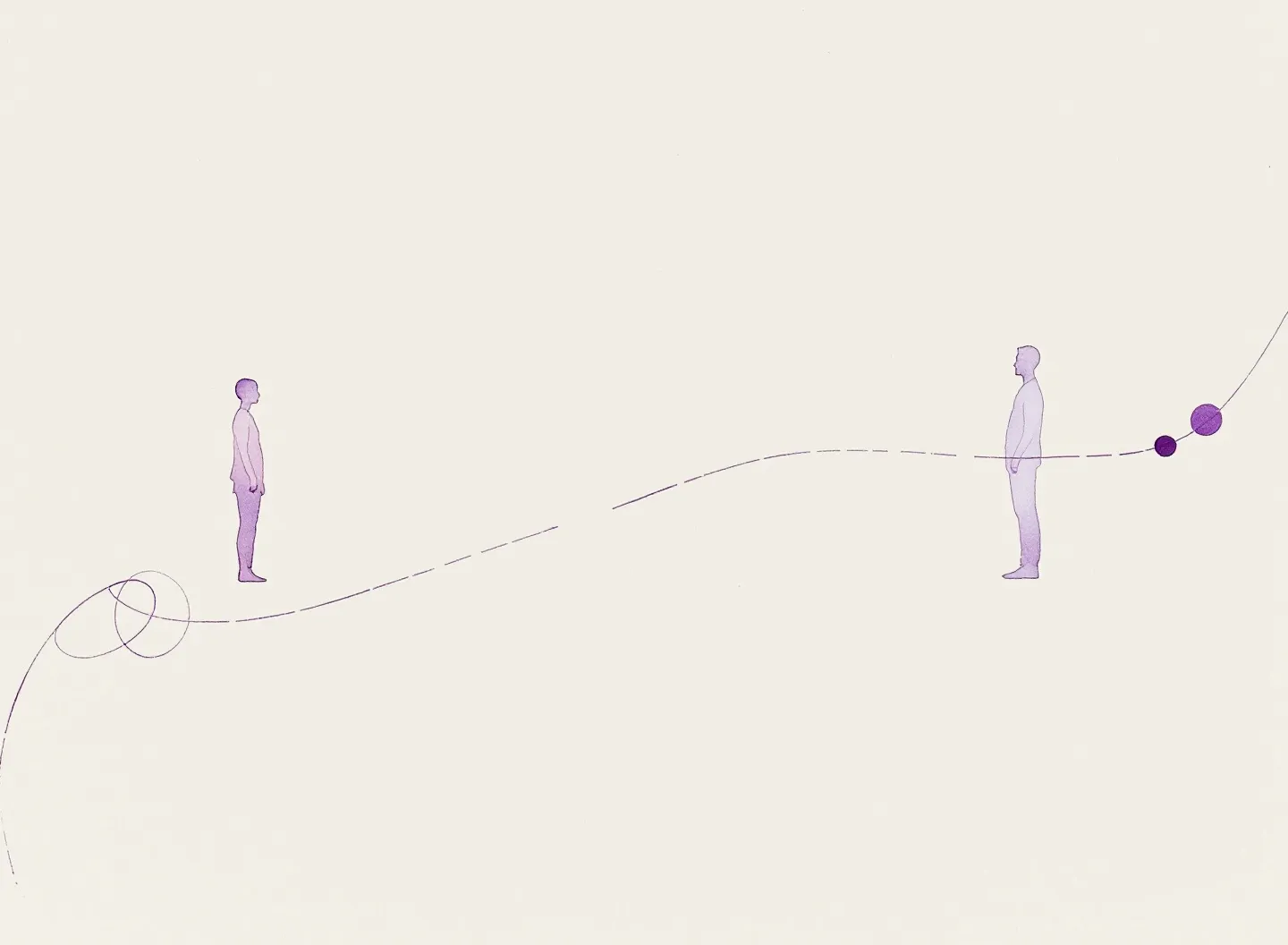
Psychological change does not always occur quickly and rarely follows a straight line. Psychotherapy may include periods of relief, but also encounters with difficult experiences, contradictions, resistances and questions that have long remained unanswered. This is why the therapeutic process requires time, commitment and active participation. The aim is not for the therapist to make decisions on the person's behalf or to tell them how they should live. Psychotherapy creates the conditions for a person to gradually understand their own experiences and recurring patterns better, to expand their capacity for coping, and to make freer and more conscious choices.
Professional and ethical practice
Quality psychotherapy is based on professional competence, clear boundaries, confidentiality, informed consent and respect for the person's rights and autonomy. The choice of psychotherapist and therapeutic approach should be suited both to the nature of the problem and to the professional training and qualifications of the specialist. In certain mental health conditions, psychotherapy may form part of a broader treatment plan and be carried out jointly with psychiatric or other medical treatment. In such cases, good communication and collaboration between the various specialists are an important part of quality care.
Our understanding of psychotherapy
At the Institute, we view psychotherapy as part of contemporary, evidence-based and person-centred mental healthcare. For us, psychotherapy is a space in which professional knowledge meets the unique history of the person. It does not offer universal answers and does not promise a life free of difficulties. Its task is to create the possibility for a person to understand themselves more deeply, to recognise their own resources and limitations, and to build a more adaptive way of living with themselves, with others and with the reality they face. In a medical context, this means seeing not only the illness, but the person who lives with it.